
How to Pair Persian Tea With Every Course
- MICHAEL AFSHAR
- 3 days ago
- 5 min read

A glass of Persian tea arrives deep amber, fragrant with bergamot, and hot enough to slow down the table for a minute. That is exactly the point. Learning how to pair Persian tea is less about matching one strict flavor rule and more about letting its floral aroma, gentle tannins, and lingering warmth bring a Persian meal together - from the first mezze plate to the last sweet bite.
Persian tea, often called chai, is usually black tea brewed with a bright, aromatic character. It can be served plain, with sugar, or alongside small, traditional sweets. At a generous table, it does not have to wait for dessert. The right pairing cuts through richness, refreshes the palate between savory bites, and gives everyone a reason to stay for one more conversation.
How to Pair Persian Tea by Flavor
Start with the tea itself. A classic Persian black tea has enough structure to stand up to grilled meat and enough fragrance to complement saffron, herbs, citrus, and nuts. Its tannins create a clean finish, which makes it especially welcome beside foods that are smoky, buttery, or richly seasoned.
Think in contrasts first. Tea is excellent with savory foods that carry fat, char, or creaminess because its astringency helps reset the palate. It also works with sweet ingredients, but the sugar level matters. A plain or lightly sweetened tea keeps dessert from becoming overly sugary, while tea served with a sugar cube can soften tart or boldly spiced dishes.
Then consider the aroma. Bergamot-like floral notes feel natural next to saffron rice, rosewater desserts, fresh mint, and citrus. Earthier black tea can also settle beautifully beside roasted eggplant, lentils, walnuts, and warm bread. Persian tea is versatile, but it is not invisible. Give it foods with enough personality to meet it at the table.
Serve it hot, not rushed
Tea pairing works best when the tea is properly hot and the food is served at its best temperature. Sip after a bite of kabob or rice rather than before it. The tea should clear the flavor, not replace it.
If you add sugar, take a small bite of the sugar cube and sip the tea through it, a traditional style that creates sweetness without turning the entire glass into syrup. For diners who prefer a less sweet finish, plain tea lets saffron, herbs, and grilled flavors come through more clearly.
Pair Persian Tea With Kabobs and Grilled Meats
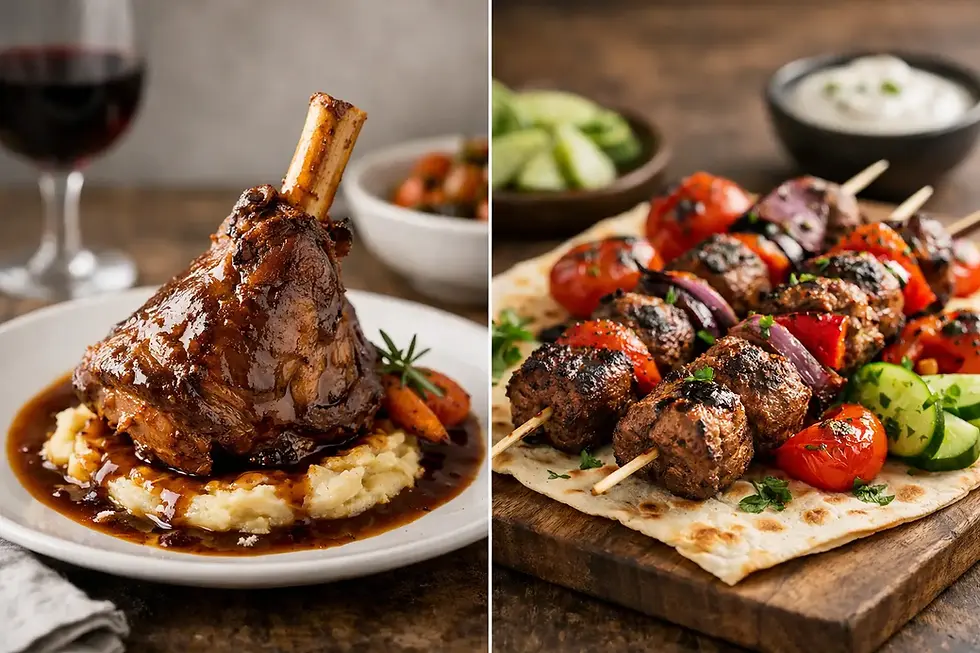
Persian kabobs are one of the strongest partners for hot tea. The char from the grill, the savory depth of marinated meat, and the richness of buttered rice can build quickly over a full plate. Persian tea brings lift and balance between bites.
Pair tea with koobideh when you want contrast. The seasoned ground meat is juicy and satisfying, while the tea's tannins keep the finish clean. With chicken kabob, the pairing is lighter and more aromatic, especially if the chicken carries saffron, lemon, or a gentle marinade. A plain glass of tea is usually the best choice here because it preserves the bright seasoning.
Lamb deserves a slightly slower approach. Its fuller, richer flavor can handle a stronger brew. Sip the tea after bites of lamb and grilled tomato, then return to the rice. The combination makes the meal feel less heavy without taking away the bold, savory character that makes lamb memorable.
For a shared feast, tea is also a smart nonalcoholic option. It gives the table something flavorful and ceremonial to enjoy alongside kabobs, especially when people are lingering over music, conversation, or a late-night gathering.
Let Tea Brighten Saffron Rice and Stews
Saffron rice is fragrant, buttery, and gently sweet, so Persian tea should support rather than overpower it. A lighter brew or a shorter steep is ideal. The tea's floral edge picks up saffron's perfume, while its slight dryness keeps each forkful from feeling too rich.
With crispy tahdig, tea has an especially useful role. The golden rice crust brings toasted flavor and texture, sometimes with a buttery finish. A sip of unsweetened tea after a bite makes those nutty notes feel cleaner and more defined.
Persian stews call for a little more judgment because their profiles vary. Herb-forward dishes with tangy dried lime or citrus benefit from tea that is not too sweet. The tea rounds out their acidity and helps the herbs stay fresh on the palate. Richer, savory stews with beans, meat, and long-cooked depth work well with a more assertive cup.
It depends on how bright or sweet the stew is. If a dish already has pronounced sourness, avoid over-steeping the tea, which can add unnecessary bitterness. If the stew is deep and savory, a stronger tea can provide a welcome counterpoint.
Pair Persian Tea With Mezze and Vegetarian Plates
Tea is not only for the main course. It is a natural companion to the slower pace of mezze, where the table moves from one bite to the next: warm bread, creamy dips, fresh herbs, olives, grilled vegetables, and bright salads.
With hummus or other creamy chickpea dishes, tea offers contrast. The earthy, smooth texture is lifted by the tea's tannic finish. Roasted eggplant dishes are another great match because smoky eggplant and aromatic black tea share enough depth to feel connected without becoming heavy.
Fresh herb plates, feta, cucumber, and radish lean into a different side of tea. Here, the warmth of the glass balances cool, crisp ingredients. A small amount of sugar can work if the cheese is salty or the herbs are peppery, but it is not required.
Vegetarian dishes built around lentils, rice, roasted vegetables, or stuffed grape leaves also pair well with Persian tea. Keep the brew medium-bodied. A very strong cup can make delicate vegetables taste flat, while a balanced cup highlights their natural sweetness and spice.
Save Room for Tea, Sweets, and Fruit
The most familiar Persian tea pairing may be tea with sweets, but this is where restraint pays off. Persian desserts often feature rosewater, cardamom, pistachios, almonds, honey, dates, or saffron. They are aromatic and layered, not simply sugary. The tea should make those details more noticeable.
Baklava-style pastries and nut-filled sweets benefit from unsweetened or lightly sweetened tea. The black tea cuts through butter and syrup while keeping the nuts front and center. With delicate cookies flavored with cardamom or rosewater, choose a gentler brew so the tea does not drown out the perfume.
Dates are an easy, satisfying companion to tea. Their caramel-like sweetness softens the tea's tannins, and the pairing feels complete without needing a heavy dessert. Fresh fruit, especially citrus, apples, or berries, can also bring a refreshing finish to a long meal.
If you are serving several sweets, do not make every glass overly sweet. Keep the tea plain for most guests and place sugar cubes or sweets on the table for those who want them. That gives everyone control over the balance.
Make the Pairing Feel Like Hospitality
A thoughtful tea pairing is also about timing. Serve Persian tea after the first round of food if guests are settling into a long meal, then bring it back after dinner with fruit or dessert. It creates a natural pause without making the evening feel finished too quickly.
Use clear tea glasses when possible. The color is part of the experience: a clear amber pour signals warmth, care, and a table that is meant to be enjoyed. Set out sugar cubes, dates, or a small sweet alongside the glasses, but let guests choose their own rhythm.
For a dinner with friends, start tea near the end of the main course and let it carry the night forward. At a lively place such as Divan Grill & Lounge, that can mean a final glass after kabobs and saffron rice, while the conversation, music, and good energy are still going strong.
The best pairing is the one that makes the next bite taste better and the next conversation last a little longer. Brew the tea with care, keep the sweetness flexible, and let the table decide when it is time for another glass.


Comments