
Corporate Catering Trends Worth Planning For
- MICHAEL AFSHAR
- Aug 9
- 5 min read

A boxed lunch and a stack of plastic forks may cover the basics, but they rarely create the kind of gathering people talk about afterward. The biggest corporate catering trends are raising the bar for office lunches, client meetings, team celebrations, and holiday parties. Companies are choosing food that feels generous, looks inviting, and gives guests a reason to step away from their screens and connect.
For organizers in Orange County, the shift is less about chasing every new food trend and more about creating an experience that fits the occasion. Great catering still has to arrive on time, serve easily, and work for a range of dietary preferences. The difference is that it can also bring bold flavor, variety, and real social energy to the table.
Corporate Catering Trends Are Becoming More Social
Corporate events are no longer limited to conference-room lunches. Teams are gathering for welcome lunches, milestone dinners, client appreciation events, off-site meetings, employee recognition, and after-hours celebrations. Food has become part of the event itself rather than a break squeezed between agenda items.
That means shared dining formats are having a strong moment. Family-style spreads, mezze platters, kabob trays, rice dishes, salads, and warm flatbreads naturally encourage conversation. Instead of every guest receiving the exact same meal in a closed container, people can build a plate, try something new, and pass dishes around the table.
This format is especially effective for teams that want a more relaxed, welcoming atmosphere. Persian and Mediterranean food fits that need beautifully because it balances familiar favorites with dishes that feel special. Grilled chicken, beef kabobs, seafood, vegetarian plates, hummus, salads, and saffron rice give guests plenty to enjoy without making the meal feel overly formal.
There is a practical side to this trend too. Shared catering can simplify large orders and reduce the guesswork of collecting every individual preference. It works best when organizers still include clearly labeled vegetarian and allergen-conscious options, plus enough variety for guests with different comfort levels around spice, proteins, and sides.
More Choice Without an Overcomplicated Menu
Choice matters, but an endless menu can slow down service and create unnecessary waste. The strongest corporate catering menus offer a focused range of options that lets guests feel considered without making ordering difficult.
A build-your-own lunch can work well for casual office gatherings, especially when it includes a protein, a vegetarian centerpiece, fresh sides, sauces, and bread. For a more polished client event, plated or pre-selected entrées may make more sense. It depends on the setting, the number of guests, and how much time the group has to eat.
The goal is not to offer everything. It is to offer enough. A thoughtful menu can include grilled kabobs for guests who want a hearty entrée, Mediterranean wraps for a quick lunch format, and colorful vegetarian dishes that stand on their own rather than feeling like an afterthought. Fresh herbs, rice, grilled vegetables, dips, and salads help the table feel abundant while giving every guest a complete plate.
Dietary Inclusion Is Part of Good Hospitality
Plant-forward choices are now a standard expectation at many corporate events, but they should still feel satisfying and full of flavor. A well-planned vegetarian option should bring the same care, texture, and presentation as the rest of the menu.
Organizers should also ask guests about major allergies and dietary requirements early. This gives the caterer time to recommend dishes, label items clearly, and avoid last-minute substitutions. Clear communication is more useful than promising that one menu works for everyone.
Global Flavors Are Moving Into the Office
Another major shift in corporate catering is the move away from predictable, one-note lunch spreads. Teams are looking for menus that feel more personal, more flavorful, and more connected to the cultures behind the food.
Persian and Mediterranean catering offers a natural answer. The appeal is not novelty for novelty's sake. It is the balance of grilled meats, aromatic rice, bright salads, savory dips, warm bread, and deeply seasoned dishes that work for both casual and elevated occasions.
For an office lunch, that may mean a mix of chicken and beef kabobs with saffron rice, salad, hummus, and pita. For an evening event, the same flavors can feel more festive with a fuller spread of mezze, seafood, premium desserts, and beverage service. The menu can scale with the occasion while keeping a clear point of view.
Authenticity matters here. Guests can tell when food has been selected simply because it is trendy. They respond far better to a menu made with care, quality ingredients, and flavors that have real depth. That is what turns catered food from a routine expense into a memorable part of company culture.
Presentation Is Doing More Work
Food is increasingly part of the visual identity of an event. That does not require overdesigned displays or complicated garnish on every plate. It means serving food in a way that looks fresh, inviting, and appropriate for the room.
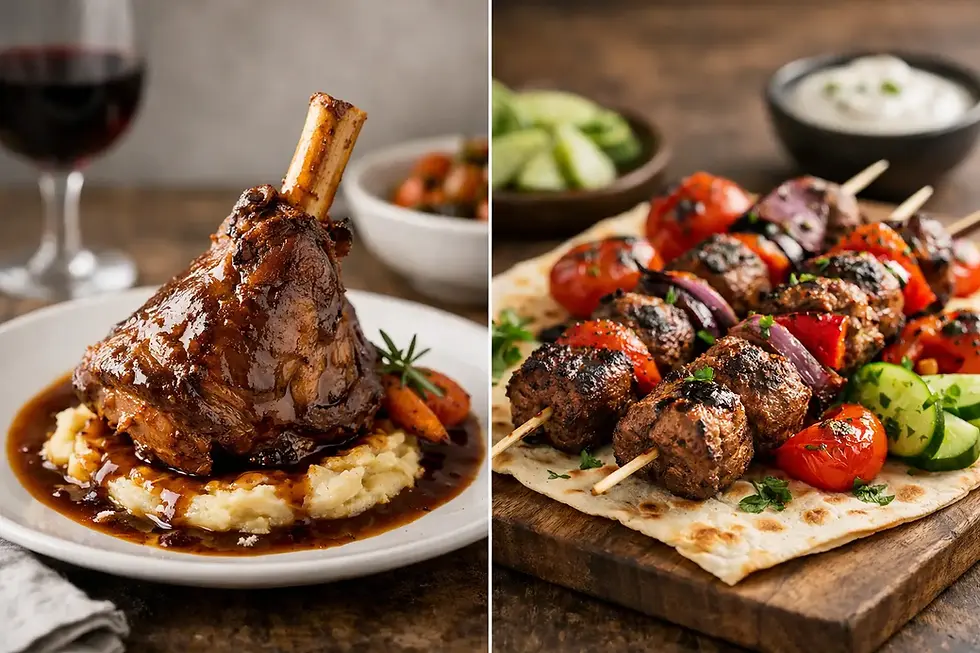
Colorful salads, grilled skewers, saffron rice, vibrant dips, and shareable platters create a polished table without feeling stiff. For client-facing events, presentation signals attention to detail. For employee events, it makes the gathering feel like a genuine thank-you instead of a rushed lunch order.
This is also where service style matters. Drop-off catering may be ideal for a working lunch with a tight schedule. Full-service catering is often a better fit when hosting clients, celebrating a major company milestone, or planning an evening party where the host should be able to enjoy the room instead of managing food trays.
Divan Grill & Lounge can bring that balance of authentic Persian cuisine, generous hospitality, and lounge-ready energy to corporate occasions that need more than a standard buffet.
Corporate Events Are Expanding Beyond Lunch
The workday is no longer the only window for corporate hospitality. Happy-hour gatherings, networking events, holiday parties, product launches, and team dinners all call for a different kind of catering plan.
An after-hours event has room for more atmosphere. Guests may want shareable appetizers, cocktails, Persian tea, desserts, music, or a setting that feels removed from the office. For some companies, that means hosting an event at a venue with food and entertainment built in. For others, it means bringing an elevated dinner experience into a private event space.
The key is matching the menu to the purpose. A midday training session needs food that is satisfying but not distracting. A client dinner should feel polished and easy to enjoy. A holiday celebration can be more generous, festive, and relaxed. Treating each gathering the same is one of the quickest ways to make catering feel forgettable.
Sustainability Has to Be Practical
Many companies want catering that creates less waste, and guests appreciate that effort. But sustainable choices should support the event rather than make service harder. Bulk beverage service, reusable servingware for on-site gatherings, accurate headcounts, and sensible portion planning can make a meaningful difference.
Family-style service can reduce the amount of individual packaging, while pre-portioned meals may be the smarter option for a fast-moving meeting or a venue with limited setup space. There is no single perfect format. The right choice comes down to guest count, venue rules, service time, and the type of event.
Ordering carefully is often the simplest starting point. An experienced caterer can help planners avoid the two common problems: running short on food or ordering so much that perfectly good meals are left behind.
How to Plan Around These Catering Trends
The best corporate catering starts with a few clear decisions: who is attending, what the event needs to accomplish, how long guests have to eat, and whether the food should feel quick, formal, festive, or social. Once those answers are clear, menu planning becomes much easier.
Choose dishes with variety, but keep the overall spread cohesive. Make room for vegetarian guests. Ask about allergies before the final count. Consider whether drop-off service is enough or whether staff, setup, beverages, and a more complete event atmosphere would make the occasion stronger.
When the food reflects the care behind the invitation, guests notice. A flavorful shared meal can turn a regular meeting into a team moment, give clients a warmer welcome, and make a company celebration feel worth showing up for.


Comments