
How to Book Restaurant Catering Right
- MICHAEL AFSHAR
- Jun 26
- 6 min read

The fastest way to turn a good event into a stressful one is waiting too long to figure out the food. If you're wondering how to book restaurant catering without last-minute surprises, the real goal is not just placing an order. It's choosing a catering partner that can match your crowd, your timing, your budget, and the kind of experience you want people to remember.
Restaurant catering works best when it feels easy for guests and organized for the host. That sounds obvious, but plenty of people book based on price alone, then run into portion issues, limited setup, late delivery, or a menu that looked great online but did not fit the event. A little planning up front saves you from all of that.
How to book restaurant catering without guesswork
Start with the basics before you contact anyone. A restaurant can only give you a useful quote if you know your guest count, event date, location, preferred service time, and the style of meal you want. Drop-off catering for an office lunch is very different from full-service catering for a birthday dinner or private celebration.
Guest count matters more than people think. A rough estimate is fine at first, but if your number swings from 25 to 60, the menu, staffing, and pricing can change fast. It also affects whether trays make more sense than individual boxed meals, and whether you need extra appetizers to keep people satisfied before the main meal is served.
Timing matters just as much. Popular restaurants book up around holidays, graduation season, and weekends with heavy event traffic. If your event lands on a Friday or Saturday night, especially during busy social seasons, reach out early. More lead time usually gives you better menu flexibility and a smoother booking process.
Know what kind of catering you actually need
A lot of confusion starts here. People say they need catering, but what they really need could be delivery, setup, staffed service, party trays, or a private event package. Those are not the same thing.
If you're hosting a casual office lunch, drop-off catering is often enough. The restaurant prepares the food, delivers it, and may provide serving trays, utensils, and basic setup items. If you're planning a larger celebration where presentation and flow matter, full-service support may be worth it. That can include staff, chafing dishes, replenishment, and help keeping the event moving.
This is where being specific saves time. Instead of asking, "Do you cater?" ask what the service includes. Does the order come hot and ready to serve? Are setup items included? Is staff available if you need more than delivery? Can the restaurant handle dietary requests without forcing you into a limited menu? Those answers tell you a lot about whether the fit is right.
Choose a menu that matches the mood of the event
The best catering menus do two things at once. They satisfy a group, and they make hosting easier. That means you want food that travels well, holds up during service, and offers enough variety for different tastes.
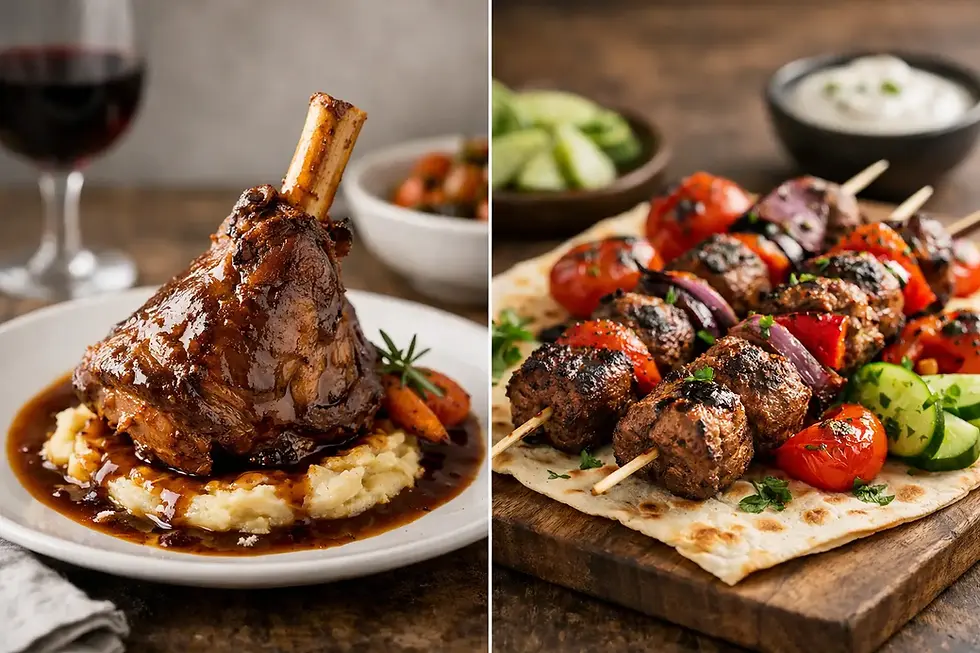
This is one reason Persian and Mediterranean catering works so well for group events. Kabobs, rice dishes, wraps, seafood, vegetarian plates, and mezze give guests options without making the table feel chaotic. Shared trays also create a more social atmosphere, which is ideal for celebrations, family gatherings, and team events where people want great food without a stiff formal setup.
Still, the right menu depends on the event. A corporate lunch usually calls for cleaner logistics and predictable portions. A birthday party or engagement dinner may lean more toward platters, appetizers, and a wider spread that encourages guests to graze and mingle. If your event stretches over several hours, heavier entrees alone may not be enough. Appetizers, sides, and drinks can make the pacing feel better.
Be honest about your crowd. If you have adventurous diners, a more traditional and flavorful spread can be a highlight. If your group is mixed, build in familiar choices alongside signature items. A good restaurant will help you balance crowd-pleasers with dishes that still feel distinctive.
Budget for the full order, not just the food
One of the biggest mistakes in how to book restaurant catering is focusing only on menu pricing. The base food cost is just one part of the total.
Ask what is included in the quote. Delivery fees, service charges, staff, disposable ware, setup equipment, and gratuity can all affect your final number. None of those are necessarily a problem, but they should not be a surprise.
There is also a trade-off between convenience and cost. Full-service catering costs more than simple pickup or delivery, but it can save you from handling setup, monitoring food, and cleaning up service pieces. For some events, especially those where the host wants to actually enjoy the party, that extra support is worth it.
On the other hand, if you're feeding a team at noon and everyone just needs a fresh, satisfying meal on time, a simpler package may be the smarter use of your budget. The best booking decision is not the cheapest one. It's the option that gives you the right level of service for the event.
Ask the questions that reveal how organized the restaurant is
Menus matter, but execution matters more. A restaurant can serve excellent food in-house and still be weak at catering logistics. That is why a short conversation can tell you more than a photo gallery ever will.
Pay attention to how clearly they answer questions. Can they explain portions in practical terms? Do they offer suggestions based on your event type? Are they upfront about deadlines, minimums, and what happens if your guest count changes? Organized caterers usually make you feel more confident, not more confused.
It also helps to ask how far in advance they need final confirmation. If you're planning a family event where the headcount may shift, flexibility matters. If you're booking for a workplace, reliability and punctuality may matter even more than customization. Different events have different pressure points.
If you're ordering cuisine with bold flavors and shared plates, presentation is worth asking about too. Food should arrive looking like part of the event, not like an afterthought. A strong catering partner understands that atmosphere matters alongside taste.
Read the event, not just the menu
Good hosts think about flow. When do guests arrive? Will they eat right away or mingle first? Is this a quick meal, or part of a longer social night? Those details help determine what you should book.
A lunch meeting usually benefits from efficiency. You want food that is easy to serve, easy to portion, and satisfying without slowing down the schedule. A weekend party is different. People linger, go back for seconds, and expect the food to contribute to the vibe. In that setting, variety and presentation carry more weight.
This is especially true for social gatherings where food sets the tone. Bold grilled meats, fresh herbs, saffron rice, dips, wraps, and shareable appetizers create energy in a way that standard sandwich trays rarely do. If the event is meant to feel lively and memorable, the menu should support that.
For hosts in Orange County planning anything from a corporate lunch to a festive family gathering, working with a restaurant that already understands group hospitality can make the process much smoother. A venue like Divan Grill & Lounge brings that mix of authentic flavor, crowd-friendly variety, and event-ready service that people usually hope for when they book catering in the first place.
Confirm the details in writing
Once you've chosen the restaurant, lock down the important details clearly. Confirm the date, delivery or pickup time, address, contact person, guest count, menu selections, dietary needs, and what is included with service. If anything matters to the success of the event, make sure it is documented.
This is not about being overly formal. It's about avoiding small miscommunications that turn into event-day problems. If you need trays labeled, serving utensils included, or arrival during a specific loading window, say it clearly before the day arrives.
A final confirmation a few days before the event is always smart. It gives both you and the restaurant time to catch changes while there is still room to adjust.
When to book earlier than you think
Some events can be booked on a shorter timeline, but others should be handled early. Holiday parties, graduation celebrations, weekend birthdays, and large family gatherings tend to fill catering schedules quickly. If your event falls during a high-demand period, waiting can limit your menu options or service level.
If the event matters, do not treat catering like the last box to check. Book as soon as you have the date, a working headcount, and a clear idea of the experience you want. Great food is not just one more detail. It shapes how people talk, linger, connect, and remember the night.
The best catering bookings feel simple because the planning was thoughtful. Give yourself enough time, ask better questions, and choose food people will actually be excited to gather around.


Comments