
Persian Food vs Mediterranean Food
- MICHAEL AFSHAR
- May 5
- 6 min read

Some menus make this choice easy. Others put you in the best kind of dilemma - koobideh or kebab wrap, saffron rice or hummus, mast o khiar or tzatziki, grilled lamb or chicken shawarma. If you have ever wondered about persian food vs mediterranean food, the answer is not that one is better. It is that they offer different flavor experiences, different traditions, and often very different ways of building a meal.
That matters when you are planning a date night, dinner with friends, a family celebration, or catering for a crowd. You want food that fits the moment. Persian cuisine tends to feel deeply layered, aromatic, and rice-centered. Mediterranean food often leans broader, lighter, and more mix-and-match across dips, salads, wraps, and grilled proteins. There is overlap, but the details change everything.
Persian food vs Mediterranean food: the big difference
The fastest way to understand persian food vs mediterranean food is this: Persian cuisine is a specific culinary tradition with roots in Iran, while Mediterranean food is a wider category that pulls from many countries surrounding the Mediterranean Sea. That includes Greek, Turkish, Lebanese, Israeli, Egyptian, and other regional influences.
So when people say Mediterranean food, they are often talking about a style of eating rather than one single cuisine. You might see hummus, falafel, shawarma, tabbouleh, kebabs, grilled vegetables, and pita all on one menu. Persian food is usually more defined. You are more likely to see saffron, sumac, stews, basmati rice, grilled kabobs, yogurt-based sides, and dishes built around balance rather than quick contrast.
That difference matters because Mediterranean menus can feel more casual and customizable, while Persian menus often feel more composed and traditional. One is not more authentic than the other. They simply express hospitality in different ways.
Flavor profiles that set them apart
Persian food is known for fragrance and restraint. Saffron, turmeric, cinnamon, dried lime, rosewater, herbs, onions, and sumac show up often, but usually in a balanced way. The goal is not heavy heat. It is depth, aroma, and harmony. A good Persian dish can taste rich without feeling overloaded.
Mediterranean food, depending on the region, often comes across brighter and sharper. Olive oil, lemon, garlic, oregano, parsley, cumin, sesame, and fresh vegetables lead the way. The flavors can be punchy and clean. A Mediterranean plate may feel more immediately familiar to diners used to wraps, salads, dips, and grilled meats with bold acidity.
If you like savory food with floral, smoky, and subtly sweet notes, Persian cuisine often wins people over fast. If you want freshness up front, plenty of herbs, and meals built around contrast, Mediterranean food usually scratches that itch.
Spice does not always mean heat
One common misconception is that stronger seasoning means spicier food. In Persian cooking, spice often means aroma instead of heat. Saffron rice, grilled tomatoes, marinated chicken, and herb-heavy stews can be intensely flavorful without being hot.
Mediterranean dishes can also be mild, but the brightness of garlic, citrus, and pickled elements may read as more assertive on first bite. So if someone in your group wants flavor without chile heat, Persian food is often a great choice.
Rice, bread, and the structure of the meal
A major point in the persian food vs mediterranean food conversation is the starch on the plate. Persian cuisine treats rice almost like a centerpiece. Long-grain basmati rice, often scented with saffron and cooked to a delicate texture, is not an afterthought. It is part of the identity of the meal. And if you know, you know - tahdig, that crisp golden rice layer, is the kind of detail people talk about long after dinner.
Mediterranean food often gives bread a bigger role. Pita, lavash, and wraps are common, especially in casual dining. That makes Mediterranean meals feel portable and shareable in a different way. You can build bites with hummus, baba ghanoush, grilled meat, and chopped salad without committing to a full plated entrée.
Neither style is heavier by default. It depends on what you order. A rice plate with kabob can be filling but clean. A Mediterranean spread with multiple dips, bread, falafel, and shawarma can start light and end big. Context matters.
Proteins, kabobs, and what lands on the grill
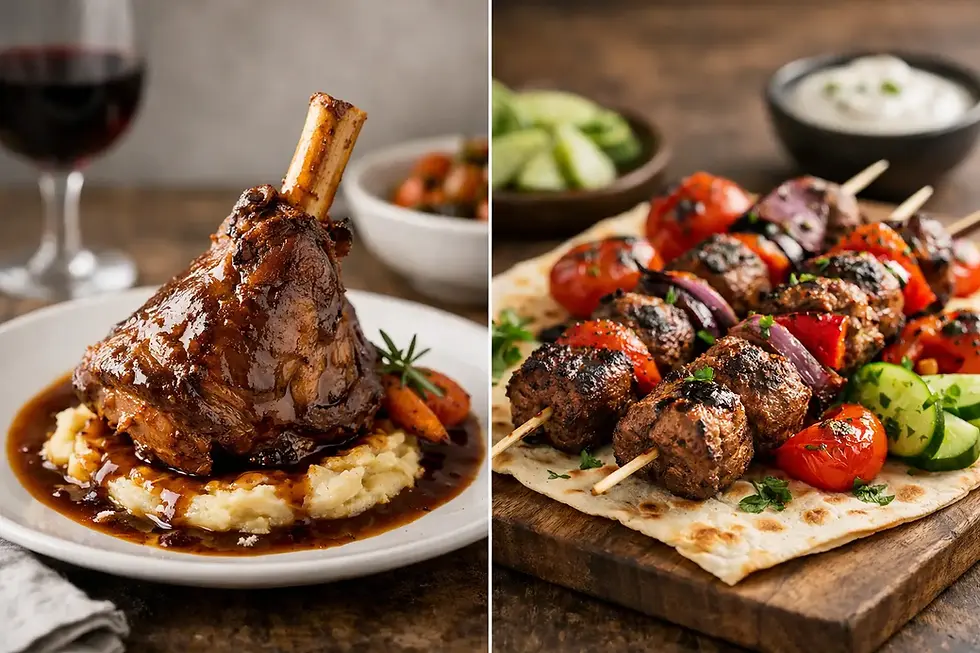
Both cuisines are known for grilled meats, but the treatment is different. Persian kabobs usually focus on marinades that tenderize and perfume the meat. Chicken can be lemony and saffron-rich. Ground beef koobideh is juicy, simple, and deeply satisfying. Filet mignon, lamb, shrimp, and salmon also show up on Persian menus with a clear emphasis on smoke, tenderness, and rice pairing.
Mediterranean grilled meats often arrive in more varied forms - shawarma, gyro-style preparations, souvlaki, chicken skewers, kafta, lamb chops, or wraps. The flavor may lean more on garlic, olive oil, herbs, and spices that pop quickly.
If you want a polished plate dinner, Persian kabobs have a strong advantage. If you want hand-held options or a fast lunch format, Mediterranean food often offers more flexibility.
Persian food vs Mediterranean food in appetizers and sides
This is where diners often notice overlap first. Both traditions celebrate sharing. Yogurt-based dips, fresh herbs, cucumbers, eggplant, olives, and grilled vegetables are all common territory.
Still, the character of the appetizers changes. Persian starters often include mast o khiar, kashk-e bademjan, shirazi salad, fresh herbs, and saffron-forward or walnut-based touches depending on the dish. Mediterranean appetizers tend to center more heavily on hummus, baba ghanoush, tzatziki, dolmas, falafel, tabbouleh, and feta-based salads.
For a social table, Mediterranean spreads can feel easier to mix and match across different tastes. Persian appetizers, on the other hand, often feel more distinctive once you try them. They are less about checking familiar boxes and more about giving the table something memorable.
Which one feels healthier?
This question comes up all the time, and the honest answer is that both can be very healthy. Each cuisine uses grilled proteins, vegetables, legumes, yogurt, and herbs in ways that fit a balanced diet.
Mediterranean food has a stronger mainstream reputation for health because of olive oil, fish, chickpeas, salads, and the broader Mediterranean diet conversation. That reputation is deserved, but it can also flatten the picture. Persian food deserves more credit here. Grilled kabobs, tomato, cucumber, herbs, lentils, yogurt, and thoughtfully prepared rice can be just as balanced, especially when portions and sides are chosen well.
The trade-off usually comes down to how you build the meal. If you stack fried appetizers, creamy sauces, and extra bread, Mediterranean can get rich fast. If you go big on buttered rice, multiple skewers, and dessert, Persian can too. The cuisine is not the whole story. Your order is.
What to choose for a group dinner or event
For group dining, Mediterranean food is often the easy crowd-pleaser because people recognize the dishes. Hummus, wraps, falafel, shawarma, and salads feel accessible. Guests can graze, share, and build a plate quickly.
Persian food tends to create a more memorable centerpiece meal. Large kabob platters, saffron rice, stews, grilled vegetables, and tea service bring a different kind of occasion energy. It feels generous, warm, and a little more elevated without being formal.
That is why Persian cuisine works so well for celebrations, business dinners, and catered events where you want guests to feel hosted, not just fed. At a place like Divan Grill & Lounge, that experience gets even stronger because the food is part of a bigger night out - great dinner, music, conversation, cocktails, and a lounge atmosphere that keeps the evening going.
So which cuisine is right for you?
If you are craving layered flavor, saffron, premium grilled kabobs, and a dinner that feels rooted in tradition, Persian food is hard to beat. If you want a broad menu of dips, wraps, salads, and grilled items that people can customize easily, Mediterranean food may be the move.
A lot depends on your mood. Date night usually calls for something a little more transportive and memorable. Casual lunch may favor wraps and mezze. Group celebrations often benefit from Persian platters and shared rice dishes, while mixed dietary preferences can be easier to navigate on a Mediterranean-style menu.
The best choice is not about following a label. It is about knowing what kind of meal you want to build, what kind of atmosphere you want around it, and how much you value the experience beyond the plate. When you choose with that in mind, you are not just ordering dinner. You are setting the tone for the whole night.


Comments