
How to Plan Group Dinner Without Group Chat Chaos
- MICHAEL AFSHAR
- Jul 28
- 6 min read

The hardest part of a group dinner is rarely choosing a restaurant. It is turning 14 different opinions, schedules, budgets, and dietary needs into one plan people will actually show up for. Knowing how to plan group dinner means making a few clear decisions early, then choosing a setting where great food, good conversation, and a little energy can carry the night.
A birthday, work celebration, family reunion, or long-overdue friends’ night out should not feel like a logistics project. The right approach keeps planning simple while leaving room for the things that matter: authentic food, shared plates, music, cocktails, and the kind of atmosphere that makes people want to stay a little longer.
Start With the Occasion, Not the Menu
Before opening the group chat, decide what the dinner is meant to feel like. A corporate dinner calls for a different pace than an engagement celebration, and a family gathering has different needs than a late-night birthday crew. The occasion determines the best time, seating style, noise level, food format, and whether entertainment should be part of the plan.
For a casual group of friends, a lively dinner-and-lounge setting can make the whole evening easier. Guests can arrive, eat, order drinks, enjoy music, and continue socializing without the organizer needing to plan a second location. For a more formal occasion, prioritize comfortable seating, attentive service, and a menu that accommodates a broad range of guests.
It helps to write one sentence that defines the event: “Dinner for 12 to celebrate Mom’s birthday,” or “A relaxed team dinner with drinks after work.” That sentence becomes the filter for every decision that follows. If an idea does not support the experience you want, skip it.
Get a Real Headcount Early
“Maybe” is not a headcount. One of the biggest group dining mistakes is booking based on hopeful replies, then scrambling when half the group either brings a guest or disappears the day of.
Set a response deadline and ask for three things in the same message: whether they are attending, whether they are bringing someone, and whether they have dietary restrictions. Keep the message friendly but direct. People respond better to “Please confirm by Wednesday so I can reserve enough seating for everyone” than a vague “Who’s in?”
For larger groups, plan for a small number of last-minute changes. A group of eight may be easy to adjust, while a party of 20 requires more structure. If the occasion matters, such as a milestone birthday or office celebration, consider asking guests to commit before you finalize the reservation.
Ask the Questions That Affect the Experience
Dietary needs are not an afterthought. Ask about vegetarian, vegan, gluten-sensitive, allergy-related, and halal-friendly preferences before selecting food. Persian and Mediterranean menus are especially helpful for groups because they often offer a natural mix of grilled meats, rice dishes, seafood, fresh salads, dips, vegetables, and wraps.
You do not need to build a separate meal for every guest. You do need enough variety that no one is left with a side dish while everyone else shares a full dinner. A menu with kabobs, vegetarian plates, mezze, and rice-based dishes gives a group more ways to eat well together.
Choose a Restaurant Built for Groups
A restaurant can have excellent food and still be the wrong choice for a group dinner. Look beyond the menu and consider how the venue handles reservations, table layouts, pacing, sound, parking, drink service, and large orders.
The best group dinner spaces make sharing feel natural. Large tables, comfortable seating, flexible ordering, and staff who understand group pacing make a major difference. Nobody wants a table split across two rooms, a rushed meal, or a place so quiet that every laugh feels disruptive.
For Orange County groups that want dinner to become a full night out, Divan Grill & Lounge brings authentic Persian and Mediterranean cuisine together with cocktails, premium hookah, music, karaoke, and lounge energy. That combination works particularly well when guests have different ideas of what makes a night memorable. Some come for saffron rice and kabobs, some want mezze and drinks, and some are ready to stay for the late-night vibes.
Match the Room to the Group’s Energy
A quieter restaurant may be perfect for a client dinner or a multi-generational family meal. A more energetic setting can be the better call for birthdays, reunions, and friend groups who want music and a social atmosphere. Neither option is automatically better. It depends on whether your guests want to talk over a long meal or make an evening of it.
If you are planning a celebration, ask whether the restaurant can accommodate decorations, a cake, speeches, special seating requests, or a private section. If the group is large, ask how long the table will be available and whether the kitchen can serve everyone within a similar window. These details prevent awkward surprises once guests arrive.
Build a Menu That Encourages Sharing
Individual entrées are simple, but shared starters create an immediate sense of occasion. A few well-chosen platters or mezze plates give people something to enjoy while everyone arrives and settles in. They also make conversation easier because the table has a natural center.
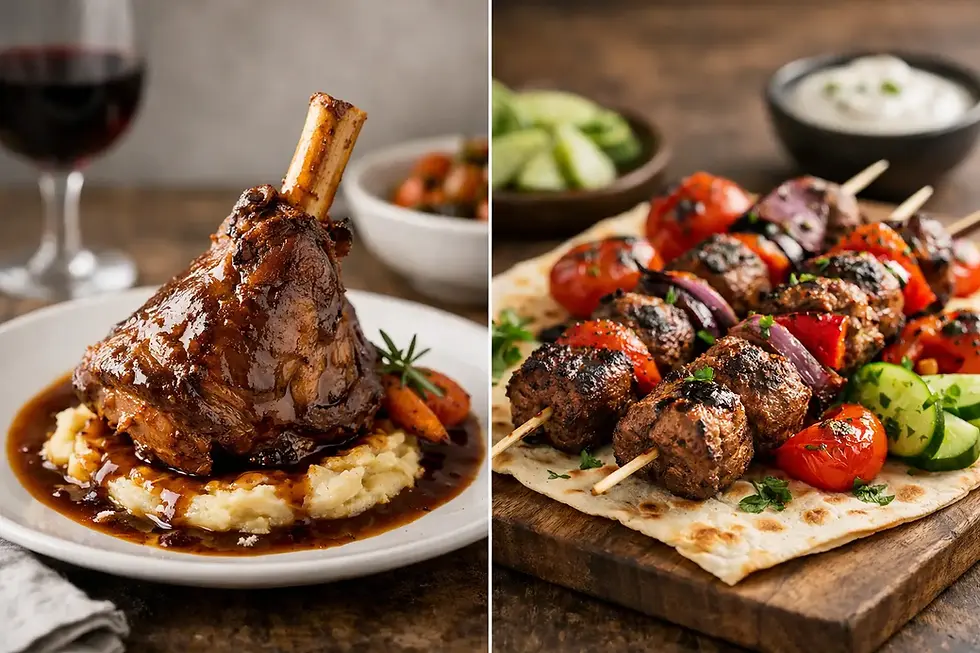
For a Persian and Mediterranean group dinner, balance familiar favorites with dishes that feel special. Start with dips, salads, and warm appetizers, then move into grilled kabobs, seafood, vegetarian selections, wraps, and generous rice dishes. The goal is not to order every item on the menu. It is to create enough range for different appetites and preferences without overwhelming the table.
Avoid making the menu too complicated. Groups tend to enjoy food more when the organizer offers a clear plan, such as shared starters followed by individual entrées, or a preselected spread for the table. If guests are paying separately, let them know in advance whether they can order freely or if there is a set menu. Clear expectations feel more generous than a surprise bill.
Set a Budget Without Making It Awkward
Money conversations become uncomfortable when they happen at the end of the meal. Give guests a realistic sense of the expected spend before they agree to attend, especially if the plan includes cocktails, hookah, entertainment, or a special menu.
A simple note works: “Plan for around $45 to $60 per person before drinks,” or “The host is covering dinner, and guests can purchase their own drinks.” This is especially useful for work events, where the organizer may need a firm per-person estimate, and for celebrations where attendees may assume different things about who is paying.
For larger groups, ask the venue about gratuity, deposits, minimums, split checks, and payment options before confirming. Some restaurants have policies for parties over a certain size, and knowing them early keeps the final hour of the evening from becoming a calculator-and-phone-screen debate.
Make Timing Work for the Whole Group
Choose a reservation time that respects the group’s real schedule. Weekday work groups often benefit from a slightly later dinner time that allows for traffic and a quick change after the office. Weekend celebrations may need an earlier reservation if you want unhurried dining before the lounge atmosphere picks up.
Ask guests to arrive 15 minutes before the reservation, not at the exact reservation time. That small buffer helps the group get seated together and gives the kitchen a smoother start. If a few people are always late, do not hold the entire evening hostage. Start with shared appetizers and drinks so early arrivals have something to enjoy.
Think about the ending, too. If you want the group to continue with music, karaoke, dessert, or hookah, choose a venue where the night can naturally keep moving. Planning a second stop often sounds fun in the group chat and becomes less appealing once everyone is comfortably seated with full plates.
Send One Final Message That Covers Everything
The day before dinner, send one short confirmation with the time, location, parking guidance if needed, dress expectations, and payment plan. This is also the right moment to remind guests about any special details, such as a surprise birthday entrance or a reservation under a specific name.
Keep it confident and easy to scan. Your guests do not need a novel. They need to know where to be, when to arrive, and what kind of night they are joining.
A great group dinner does not require perfect attendance, matching food preferences, or a color-coded spreadsheet. It needs a clear plan, a welcoming table, and a place with enough flavor and atmosphere to give everyone a reason to linger.


Comments